Feminine and masculine energies are fundamental aspects of the human experience, existing within every individual regardless of gender. These energies represent different qualities and ways of being that are essential for a balanced and harmonious life. The feminine energy is often associated with intuition, receptivity, nurturing, and emotional expression, while masculine energy is linked to action, logic, protection, and assertiveness. Both energies are necessary, and when they are in harmony, they allow for a well-rounded and fulfilling life.
However, fears related to these energies can arise from societal conditioning, personal experiences, and deeper spiritual lessons. These fears manifest differently in feminine and masculine energies, influencing how we interact with ourselves and the world around us. Understanding these fears is the first step in healing and balancing these energies within us.
Feminine and Masculine Energy Explained
– Feminine Energy:
Feminine energy is characterised by qualities such as intuition, compassion, creativity, and emotional depth. It is the energy of being rather than doing, of feeling rather than thinking. Feminine energy is connected to the right side of the brain, which governs creativity and emotion. When feminine energy is balanced, it leads to a deep sense of inner peace, empathy, and connection with others.
– Masculine Energy:
Masculine energy, on the other hand, is associated with action, logic, strength, and protection. It is the energy of doing, of making things happen. Masculine energy is linked to the left side of the brain, which is responsible for analytical thinking and decision-making. When masculine energy is balanced, it brings about confidence, clarity, and the ability to take decisive action.
The Role of Fear in Our Lives
Fear is a natural and universal human emotion. It serves as a protective mechanism, alerting us to potential dangers and helping us navigate challenges. However, when fear becomes excessive or is left unaddressed, it can limit our potential and create imbalances in our energy.
In the context of feminine and masculine energy, fear can manifest in different ways:
– Fears in Feminine Energy:
– Fear of Vulnerability: A common fear within feminine energy is the fear of being vulnerable. This fear can lead to emotional suppression, where one hides their true feelings to protect themselves from potential hurt.
– Fear of Rejection: This fear is often rooted in the need for acceptance and love. It can cause individuals to avoid expressing their true selves or to constantly seek validation from others.
– Fear of Being Overpowered: Feminine energy might also harbour a fear of being dominated or controlled, leading to resistance against assertive or authoritative figures.
– Fears in Masculine Energy:
– Fear of Failure: Masculine energy is often driven by the desire to achieve and succeed. The fear of failure can result in overworking, perfectionism, or avoiding challenges altogether.
– Fear of Inadequacy: This fear stems from the belief that one is not strong, capable, or successful enough. It can lead to low self-esteem, aggression, or a relentless pursuit of external validation.
– Fear of Losing Control: Masculine energy may also involve a fear of losing control, which can manifest as rigidity, resistance to change, or an inability to trust others.
Energy Work, Chakras, and the Journey from 3D to 5D
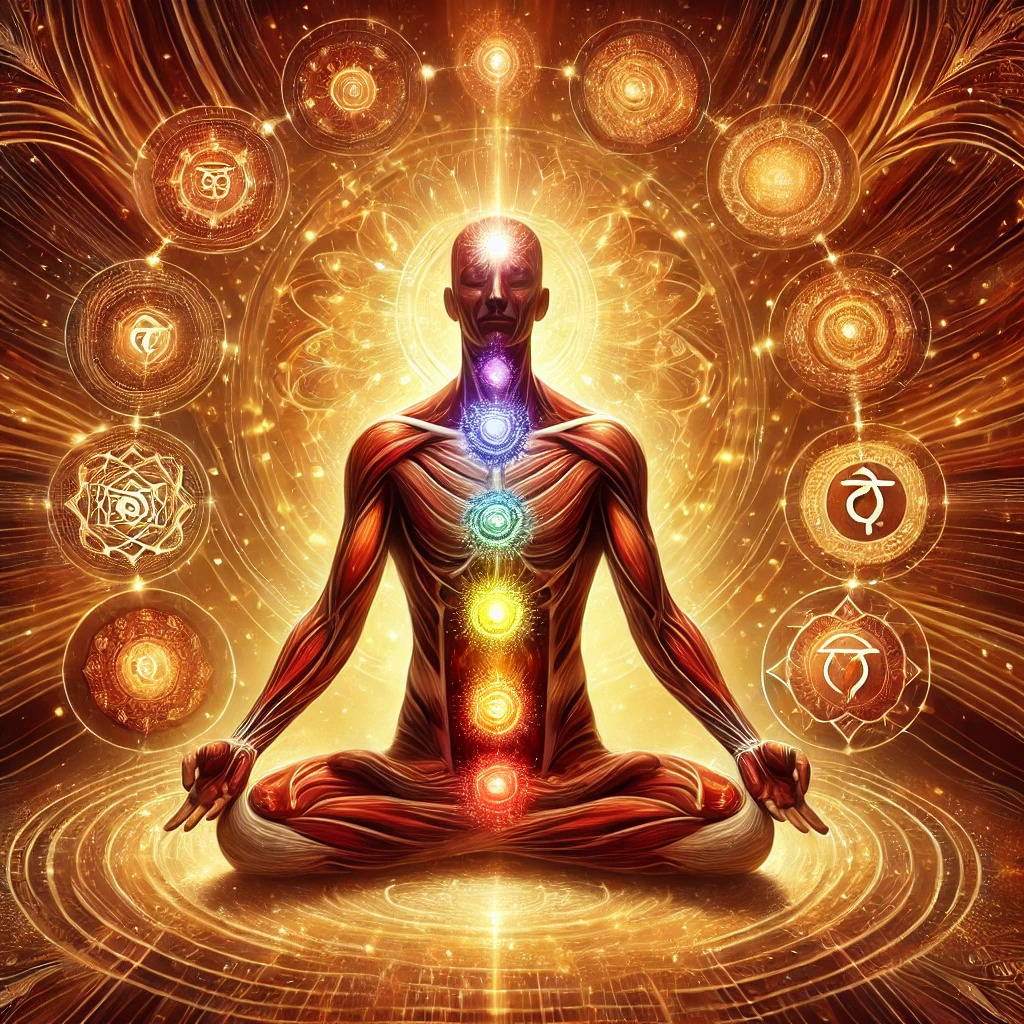
Energy work is a powerful tool for addressing and healing these fears. It involves practices such as meditation, Reiki, chakra balancing, and breath work, all of which help to align and harmonise the body’s energy centres, known as chakras.
– Chakras and Fear:
– The Root Chakra (Muladhara) is closely tied to our sense of security and survival. When this chakra is blocked or imbalanced, it can amplify fears related to safety and stability.
– The Heart Chakra (Anahata) is the centre of love, compassion, and emotional balance. Fears related to vulnerability, rejection, and emotional pain often reside here.
– The Solar Plexus Chakra (Manipura) is associated with personal power, confidence, and self-esteem. It is where fears of inadequacy, failure, and control are most commonly found.
– 3D to 5D Ascension:
The journey from the 3D physical realm to the 5D spiritual realm is one of raising consciousness and releasing fear-based patterns. In the 3D, we are often bound by the limitations of fear, duality, and material concerns. Ascension to the 5D involves transcending these limitations and embracing a higher state of consciousness characterised by love, unity, and spiritual awareness.
– 3D Reality: Fear-based, rooted in survival, materialism, and duality.
– 4D Transition: Awareness of spiritual growth, questioning old patterns, beginning to heal.
– 5D Reality: Living in a state of unconditional love, connection with the higher self, and unity consciousness.
Conclusion
Understanding the fears within feminine and masculine energy is essential for achieving balance and harmony within ourselves. By recognising and addressing these fears through energy work, chakra healing, and spiritual growth, we can move from a fear-based existence in the 3D to a love-centred life in the 5D. This journey is not only about personal healing but also about embracing our true nature and ascending to a higher state of being.
Why We Have Fears
Fear is a fundamental emotion that has been deeply embedded in the human experience since our earliest days. It serves as a protective mechanism, helping us survive in a world filled with potential dangers. However, while fear is rooted in biology and essential for survival, it can also become a significant obstacle to spiritual growth and personal development. Understanding the origins of fear from biological, psychological, and spiritual perspectives can help us navigate and transcend these barriers.
Biological Origins of Fear
From a biological standpoint, fear is an instinctive response that has evolved over millions of years. This response is governed by the amygdala, a small, almond-shaped structure in the brain that processes emotions and triggers the body’s “fight or flight” response. When faced with a threat, the amygdala signals the release of stress hormones like adrenaline and cortisol, preparing the body to either confront the danger or flee from it.
– Survival Mechanism: This fight or flight response was crucial for early humans who faced life-threatening dangers on a daily basis, such as predators or environmental hazards. Fear heightened their senses, quickened their reflexes, and increased their chances of survival.
– Present-Day Implications: In modern times, however, the same biological responses can be triggered by non-life-threatening situations, such as public speaking, job interviews, or interpersonal conflicts. While these scenarios do not pose a direct threat to survival, the body’s response can still be intense and overwhelming.
Psychological Origins of Fear
Psychologically, fear is often shaped by personal experiences, learned behaviours, and social conditioning. From a young age, we are taught what to fear and how to respond to certain situations based on the reactions of those around us—parents, teachers, peers, and society at large.
– Learned Behaviour: Children learn to fear certain things by observing the reactions of adults. For example, if a child sees a parent react fearfully to spiders, they may also develop a fear of spiders, even if they’ve never been harmed by one.
– Traumatic Experiences: Fear can also develop as a result of traumatic experiences. If a person has been bitten by a dog, they may develop a lasting fear of dogs. This fear is the mind’s way of protecting them from future harm, even if the threat is no longer present.
– Social Conditioning: Society plays a significant role in shaping our fears. Cultural norms, media portrayals, and societal expectations can all contribute to what we fear and how we express that fear. For instance, fear of failure, fear of rejection, or fear of not fitting in can be deeply ingrained through societal pressure.
Spiritual Perspectives on Fear
From a spiritual perspective, fear is often seen as a barrier to higher consciousness and spiritual growth. While fear can protect us from physical harm, it can also prevent us from fully experiencing life and realising our true potential.
– Fear as an Illusion: Many spiritual teachings suggest that fear is an illusion, a product of the ego that keeps us trapped in a limited, lower-vibrational state of being. The ego, which is focused on survival and separation, creates fear to maintain control and keep us from exploring the unknown or stepping outside of our comfort zones.
– Fear as a Teacher: On the spiritual path, fear is often viewed as a teacher, revealing areas of our lives where we are holding onto limiting beliefs or unresolved emotions. By confronting and understanding these fears, we can release them and move closer to a state of love, unity, and higher consciousness.
– Overcoming Fear: Spiritual practices such as meditation, mindfulness, and energy work can help us overcome fear by quieting the mind, calming the nervous system, and reconnecting us with our higher selves. These practices allow us to observe our fears without becoming overwhelmed by them, enabling us to respond with wisdom rather than reaction.
Fear as Both a Protector and an Obstacle
While fear serves as a necessary protector in certain situations, it can also become an obstacle when it prevents us from pursuing our dreams, forming meaningful relationships, or evolving spiritually. In the 3D physical realm, fear often governs our decisions, keeping us grounded in survival mode. However, as we embark on the journey from 3D to 5D consciousness, it becomes essential to recognise when fear is holding us back and to learn how to transcend it.
– Recognising Fear’s Role: Understanding that fear is a natural and sometimes necessary response can help us approach it with compassion rather than judgment. By acknowledging our fears and their origins, we can begin to dismantle their power over us.
– Healing Fear: Healing fear involves both inner work and external action. Internally, we can work on shifting our mindset from fear to love through practices like positive affirmations, visualisation, and shadow work. Externally, taking small, manageable steps towards our goals can help build confidence and reduce the hold fear has on our lives.
– Moving Beyond Fear: As we heal and release fear, we create space for higher vibrational states such as love, joy, and peace. This shift in consciousness allows us to align with our true purpose and live more authentically, ultimately aiding our ascension from the 3D to the 5D realm.
Conclusion
Fear is a complex and multifaceted emotion, deeply rooted in our biology, psychology, and spirituality. While it can serve as a vital protector, it can also become an obstacle on our path to personal and spiritual growth. By understanding the origins of fear and learning how to address and heal it, we can move beyond its limitations and step into a more expansive, love-based existence. This journey from fear to love is a key component of ascending from the 3D to the 5D, where we can fully embrace our highest potential and live in alignment with our true selves.
Where Fears Come From
Fears are not just personal responses to immediate threats; they are deeply influenced by a range of factors including societal, familial, and cultural conditioning. These fears are often ingrained in both masculine and feminine energies, shaping how we interact with the world and ourselves. Additionally, generational trauma, childhood experiences, and even past lives can contribute to these fears, creating patterns that are difficult to break. Understanding the origins of these fears is crucial for healing and transcending them.
Societal, Familial, and Cultural Conditioning
From a young age, we are conditioned by the society, family, and culture we are born into. These influences shape our beliefs, values, and fears, often without us even realising it.
– Societal Conditioning:
Society imposes certain expectations on individuals based on their gender, which can instil fears in both masculine and feminine energies. For instance, men may be conditioned to fear vulnerability because society often equates masculinity with strength and stoicism. This can lead to a fear of expressing emotions or asking for help, as doing so might be perceived as weakness. Conversely, women may be conditioned to fear assertiveness, as society often expects femininity to be nurturing and compliant. This can result in a fear of taking charge or setting boundaries, as it may lead to being labeled as aggressive or unfeminine.
– Familial Conditioning:
Families play a significant role in shaping our fears. The behaviours, attitudes, and beliefs of our parents and caregivers are often passed down to us, either consciously or unconsciously. For example, if a parent frequently expresses fear about financial instability, a child might internalise this fear, leading to anxiety about money and security in adulthood. Additionally, families can impose gender-specific expectations that reinforce societal conditioning, such as encouraging boys to be tough and girls to be gentle, further embedding fears related to gender roles.
– Cultural Conditioning:
Cultural norms and traditions also contribute to our fears. Different cultures have varying views on gender roles, success, and what constitutes a “good life.” These cultural beliefs can create fears of not living up to societal standards or disappointing one’s community. For instance, in some cultures, there is immense pressure on women to marry and bear children, which can instill a fear of being incomplete or unsuccessful if they do not fulfil these roles. Similarly, men may fear failure if they do not achieve certain career milestones, as success is often culturally linked to one’s identity and worth.
Generational Trauma
Generational trauma, also known as ancestral or intergenerational trauma, refers to the psychological and emotional pain that is passed down from one generation to the next. This trauma can manifest as deeply rooted fears that affect both masculine and feminine energies.
– Inherited Fears:
Fears that stem from generational trauma are often inherited from our ancestors’ experiences of significant hardship, such as war, poverty, oppression, or abuse. For example, a family that experienced financial ruin during a past generation might pass down a deep-seated fear of scarcity, leading to behaviours such as hoarding or excessive frugality in future generations. Similarly, a family with a history of persecution might pass down a fear of authority or distrust of others, which can influence how descendants interact with the world.
– Unconscious Patterns
These inherited fears can manifest as unconscious patterns of behaviour that are difficult to recognise and break. They may not always make sense in the context of the individual’s current life but are deeply ingrained in the family lineage. Healing generational trauma often requires acknowledging and addressing these fears, allowing for the release of old patterns and the creation of new, healthier ones.
Childhood Experiences
Childhood is a formative period where many of our fears are first established. Experiences during this time, whether positive or negative, can leave a lasting impact on our psyche.
– Early Conditioning:
Children are highly impressionable, and the fears they experience during this period can shape their worldview for years to come. For example, a child who grows up in a volatile household may develop a fear of conflict, leading them to avoid confrontations in adulthood. Similarly, a child who experiences neglect or emotional unavailability from a parent may develop a fear of abandonment, resulting in clinginess or difficulty trusting others in relationships.
– Internalised Beliefs:
The beliefs and attitudes of caregivers are often internalised by children, becoming part of their subconscious mind. For instance, a parent who repeatedly expresses fear about the future may unintentionally teach their child to fear uncertainty, leading to anxiety and difficulty adapting to change. These internalised beliefs can persist into adulthood, influencing decisions and behaviours in subtle yet powerful ways.
Past Lives
For those who believe in reincarnation, the concept of past lives provides another layer of understanding when it comes to fears. It is believed that unresolved issues or traumas from past lives can carry over into the present life, manifesting as fears or phobias.
– Karmic Patterns:
Past life experiences may create karmic patterns that repeat across lifetimes. For example, a person who experienced betrayal in a past life might carry a fear of betrayal into their current life, even if they have no conscious memory of the original event. These fears can influence relationships, career choices, and overall life direction.
– Spiritual Lessons:
Some believe that fears from past lives are meant to be addressed and resolved in the current life as part of a soul’s spiritual journey. By confronting and healing these fears, individuals can break free from karmic cycles and progress on their path to spiritual enlightenment.
Conclusion
Fears within feminine and masculine energies are shaped by a complex interplay of societal, familial, and cultural conditioning, as well as generational trauma, childhood experiences, and even past lives. These fears, while deeply rooted, are not insurmountable. By understanding their origins, we can begin the process of healing and transformation, allowing us to live more fully and authentically. Whether through therapy, energy work, or spiritual practices, addressing these fears is a crucial step on the journey to personal and spiritual growth.
How to Identify Fears in Feminine and Masculine Energy
Identifying fears within your feminine and masculine energies is a crucial step in the healing process. These fears often operate below the surface, influencing your thoughts, behaviours, and relationships in ways you may not fully realise. By bringing these fears into conscious awareness, you can begin to address and heal them. Below are tools and exercises to help you identify these fears, including journaling prompts, meditation practices, and body awareness techniques. Additionally, we’ll explore the role of the chakras, particularly the root and heart chakras, in holding and revealing these fears.
1. Journaling Prompts for Identifying Fears
Journaling is a powerful tool for self-discovery and healing. It allows you to explore your inner world in a safe and structured way. Below are some journaling prompts designed to help you uncover fears within your feminine and masculine energies:
– Exploring Feminine Energy:
– What situations make me feel vulnerable or exposed? How do I typically respond to these feelings?
– Do I fear expressing my emotions? Why or why not?
– When have I felt rejected or unloved? How did I cope with these experiences?
– Exploring Masculine Energy:
– What does success mean to me? Do I fear failure, and if so, why?
– Do I struggle with asking for help? What beliefs do I hold about independence and strength?
– When do I feel the need to control situations or people? What fears might be driving this behaviour?
– General Prompts:
– What fears have I noticed recurring in my life? How do they impact my decisions and relationships?
– Reflect on your childhood. Were there any messages about gender roles that have shaped your fears today?
– What would my life look like if I didn’t have these fears? How would I behave differently?
2. Meditation Practices for Identifying and Releasing Fears
Meditation can help you connect with your inner self, bringing unconscious fears into the light of awareness. Below are some meditation practices tailored to identifying and releasing fears related to feminine and masculine energies:
– Body Scan Meditation:
– Purpose: This meditation helps you tune into your body to identify where you may be holding tension or fear.
– How to Practice: Sit or lie down in a comfortable position. Close your eyes and take a few deep breaths. Slowly scan your body from head to toe, paying attention to any areas of tightness, discomfort, or tension. As you notice these areas, ask yourself, “What fear might I be holding here?” Breathe into these areas, imagining the tension dissolving with each exhale.
– Heart-Centred Meditation:
– Purpose: This meditation focuses on the heart chakra, which is often where fears related to vulnerability and love are stored.
– How to Practice: Sit comfortably and close your eyes. Place your hand over your heart and begin to breathe deeply. Visualise a warm, green light in your heart centre, expanding with each breath. As you continue to breathe, ask your heart, “What fears are you holding onto?” Allow any emotions or thoughts to arise without judgement. Simply observe them, and with each exhale, imagine releasing these fears.
– Root Chakra Grounding Meditation:
– Purpose: The root chakra is associated with survival, security, and basic needs. Fears related to safety, stability, and control are often stored here.
– How to Practice: Sit on the floor with your spine straight. Close your eyes and visualise a red light at the base of your spine. As you breathe, imagine this red light growing stronger, grounding you to the earth. Ask yourself, “What fears are blocking my sense of security and stability?” Allow any thoughts or emotions to surface, and visualise the red light dissolving these fears.
3. Body Awareness Techniques
Your body often holds clues to your emotional state, including hidden fears. By becoming more aware of your body, you can identify where these fears might be residing and begin to release them.
– Tension Mapping:
– Purpose: Identify areas of chronic tension that may be linked to repressed fears.
– How to Practice: Throughout your day, check in with your body. Notice where you might be holding tension—such as clenched jaws, tight shoulders, or a stiff lower back. Reflect on what might be causing this tension. For example, tight shoulders could be a sign of carrying too much responsibility (masculine fear), while a heavy feeling in the chest might indicate fear of emotional vulnerability (feminine fear).
– Breath Awareness:
– Purpose: Use your breath to identify and release fear-based tension.
– How to Practice: Pay attention to your breath, especially in stressful situations. Is it shallow, rapid, or held? These patterns can indicate fear. Practice deep, slow breathing to calm the nervous system and release stored fears. As you breathe deeply, imagine that each exhale is releasing fear from your body.
4. The Role of Chakras in Holding and Revealing Fears
The chakras are energy centres in the body that correspond to different aspects of our physical, emotional, and spiritual well-being. Fears often manifest as blockages or imbalances in the chakras, particularly in the root and heart chakras.
– Root Chakra (Muladhara):
– Associated Fears: The root chakra is located at the base of the spine and is connected to survival, security, and the material world. Fears related to safety, stability, and physical survival are often stored here.
– Signs of Imbalance: If your root chakra is blocked, you may experience anxiety, financial insecurity, or a fear of change. Grounding practices, such as walking barefoot on the earth, root chakra meditations, and working with red crystals like garnet or red jasper, can help balance this chakra.
– Heart Chakra (Anahata):
– Associated Fears: The heart chakra is located in the centre of the chest and is associated with love, compassion, and emotional balance. Fears related to vulnerability, rejection, and emotional pain are often held here.
– Signs of Imbalance: If your heart chakra is blocked, you may struggle with relationships, experience emotional numbness, or have difficulty giving and receiving love. Heart-centred practices, such as loving-kindness meditation, heart-opening yoga poses, and working with green or pink crystals like rose quartz or green aventurine, can help balance this chakra.
Conclusion
Identifying fears within your feminine and masculine energies is a powerful step towards healing and personal growth. By using tools like journaling, meditation, and body awareness techniques, you can bring these fears into conscious awareness and begin the process of releasing them. Understanding the role of the chakras, particularly the root and heart chakras, can also provide valuable insights into where these fears are stored and how to address them. Through this journey of self-discovery, you can move towards greater balance, harmony, and empowerment in both your feminine and masculine energies.
The Path to Healing
Healing the fears within feminine and masculine energies is an essential step on the journey towards balance, wholeness, and spiritual ascension. This process involves releasing deep-seated fears and limiting beliefs that have been ingrained through societal conditioning, personal experiences, and even past lives. To facilitate this healing, energy work, such as Reiki, chakra balancing, and crystal healing, can be incredibly effective. These practices not only help to clear energetic blockages but also promote a deep sense of self-compassion and a reconnection with the heart—the centre of love and emotional healing.
Energy Work for Releasing Fears
Energy work is a broad term that encompasses various practices aimed at balancing and harmonising the body’s energy system. When it comes to releasing fears, energy work can help to identify and clear the energetic blockages that these fears create. Below are some key methods of energy work that can support your healing journey:
– Reiki:
– What It Is: Reiki is a form of energy healing that originated in Japan. It involves the transfer of universal life force energy through the hands of a practitioner to the recipient. This energy works to clear blockages, balance the chakras, and promote overall well-being.
– How It Helps: Reiki can be particularly effective in releasing fears that are deeply embedded in the energy body. By receiving Reiki, you can clear stagnant energy associated with fear, anxiety, and trauma, allowing for greater emotional freedom and inner peace. Reiki sessions often result in a deep sense of relaxation, which is essential for healing.
– Chakra Balancing:
– What It Is: Chakra balancing involves aligning and harmonising the body’s seven main energy centres, known as chakras. Each chakra is associated with specific emotional and psychological functions, and imbalances in these chakras can lead to various fears and anxieties.
– How It Helps: By focusing on the chakras most associated with fear—the root chakra (fear of survival and security) and the heart chakra (fear of vulnerability and rejection)—chakra balancing can help to release these fears and restore a sense of equilibrium. Techniques for chakra balancing include meditation, visualisation, sound healing, and working with specific crystals that resonate with each chakra.
– Crystal Healing:
– What It Is: Crystal healing involves using gemstones and crystals to influence the body’s energy field. Each crystal has unique properties that can assist in healing different aspects of the mind, body, and spirit.
– How It Helps: Certain crystals are particularly effective for addressing fears. For example, black tourmaline is known for its protective properties and can help dispel fear and negativity. Rose quartz is associated with the heart chakra and promotes self-love and emotional healing. By meditating with these crystals or placing them on specific chakras, you can amplify the healing process.
The Importance of Self-Compassion
As you embark on the path to healing, it’s crucial to cultivate self-compassion. Healing fears often involves facing uncomfortable truths, releasing long-held beliefs, and stepping into unfamiliar territory. This process can be challenging and, at times, emotionally taxing. Self-compassion provides the emotional support you need to navigate these challenges with kindness and patience.
– Self-Compassion Practices:
– Mindful Self-Talk: Pay attention to your inner dialogue. When you notice self-critical thoughts, gently replace them with affirmations of self-acceptance and kindness. For example, instead of saying, “I’m not strong enough,” say, “I’m doing my best, and that’s enough.”
– Loving-Kindness Meditation: Practice sending love and compassion to yourself during meditation. Visualise yourself surrounded by a warm, healing light, and repeat phrases like, “May I be happy. May I be healthy. May I be free from fear.”
– Journaling: Write letters of compassion to yourself, acknowledging your fears and expressing love and understanding for the journey you are on.
The Journey Towards the Heart and Ascension
The ultimate goal of healing these fears is to reconnect with your heart and ascend from the 3D realm of fear and separation to the 5D realm of love, unity, and higher consciousness. This journey involves moving away from ego-driven fears and towards a heart-centred life where love, compassion, and spiritual growth are the guiding principles.
– The Heart as the Centre of Healing:
– Emotional Healing: The heart chakra is the key to emotional healing. As you work to clear blockages and release fears, your heart opens up to greater love and compassion—for yourself and others. This openness is essential for transcending lower vibrations and moving towards a higher state of being.
– Unity Consciousness: As you heal and ascend, you begin to see beyond the illusion of separation that the ego creates. You recognise the interconnectedness of all beings and embrace the unity that is central to 5D consciousness.
– Practical Steps to Ascend:
– Daily Spiritual Practice: Incorporate meditation, prayer, or mindfulness into your daily routine to maintain a connection with your higher self and the divine.
– Service to Others: Engage in acts of kindness and service. This helps to shift your focus from fear and lack to love and abundance, raising your vibration in the process.
– Continuous Learning and Growth: Stay committed to your personal and spiritual development. Attend workshops, read books, and connect with like-minded individuals who support your journey.
Conclusion
Healing the fears within your feminine and masculine energies is a deeply transformative process that requires commitment, patience, and compassion. Through energy work such as Reiki, chakra balancing, and crystal healing, you can begin to release these fears and restore balance within your energy system. Cultivating self-compassion is essential as you navigate this journey, allowing you to face challenges with kindness and understanding. Ultimately, this path leads you back to your heart, where true healing and ascension can occur, guiding you from a fear-based existence in the 3D to a love-centred life in the 5D.
As we conclude this introductory article on understanding fears in feminine and masculine energy, we are setting the stage for an in-depth exploration in the upcoming series. Each article will dive deeper into specific fears, providing insights into their origins, how they manifest in our lives, and most importantly, the techniques you can use to heal and transcend them.
Upcoming Articles in the Series
1. The Roots of Feminine Energy Fears: Understanding Vulnerability and Emotional Expression
– In this article, we’ll explore the common fears associated with feminine energy, such as the fear of vulnerability, rejection, and being overpowered. We’ll delve into how these fears are shaped by societal expectations, family dynamics, and personal experiences. Healing techniques will include heart chakra work, self-love practices, and embracing the divine feminine.
2. Unpacking Masculine Energy Fears: Overcoming the Fear of Failure and Inadequacy
– This article will focus on the fears commonly found within masculine energy, including the fear of failure, inadequacy, and loss of control. We’ll examine how these fears can lead to behaviours like perfectionism and emotional repression. Healing strategies will include grounding exercises, solar plexus chakra work, and balancing the divine masculine within.
3. The Impact of Childhood and Ancestral Trauma on Feminine and Masculine Fears
– Here, we will discuss how generational trauma and childhood experiences shape our fears. This article will explore epigenetics, ancestral healing practices, and inner child work as methods for breaking the cycle of inherited fears and reclaiming personal power.
4. Chakra Healing: Identifying and Releasing Fear from the Root and Heart Chakras
– This article will provide a comprehensive guide to chakra healing, with a focus on the root and heart chakras. We’ll discuss how blockages in these chakras can manifest as fear and anxiety, and offer meditation techniques, affirmations, and crystal healing practices to restore balance.
5. Energy Work for Healing: Exploring Reiki, Crystal Healing, and Chakra Balancing
– A deep dive into energy healing modalities, this article will explain how Reiki, crystal healing, and chakra balancing can help release fears from the body and mind. We’ll provide step-by-step guides for practicing these techniques at home or with a practitioner.
6. The Journey from 3D to 5D: Transcending Fear and Embracing Love
– In this article, we’ll explore the spiritual journey of ascending from the 3D realm of fear and duality to the 5D realm of unconditional love and unity. We’ll discuss the role of fear in keeping us grounded in 3D and how to shift our consciousness through daily spiritual practices.
7. Shadow Work: Facing and Integrating the Dark Aspects of Fear
– This article will introduce the concept of shadow work, a practice of confronting and integrating the darker aspects of ourselves. We’ll explore how to safely engage in shadow work to address and heal the fears that reside in our subconscious.
8. Living Beyond Fear: Practical Steps to Cultivate Courage and Confidence
– The final article in the series will provide actionable steps to help you live a life free from fear. We’ll focus on building courage, embracing vulnerability, and stepping into your power. Practical advice will include setting boundaries, cultivating positive affirmations, and creating a support system.
Conclusion
This series aims to guide you on a journey of self-discovery, healing, and spiritual growth. By understanding and addressing the fears within your feminine and masculine energies, you can achieve greater balance and alignment in your life. Each article will build upon the last, offering you the tools and knowledge needed to heal deeply and ascend spiritually. Stay tuned as we dive deeper into these essential topics, providing you with a roadmap to personal empowerment and spiritual ascension.